
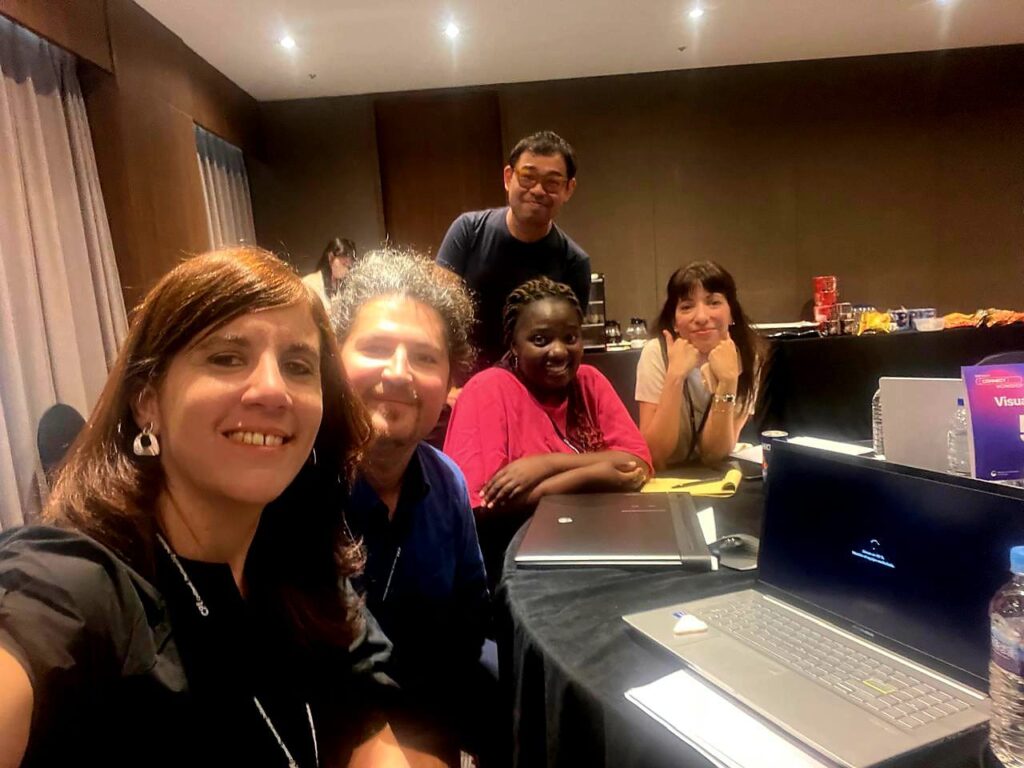
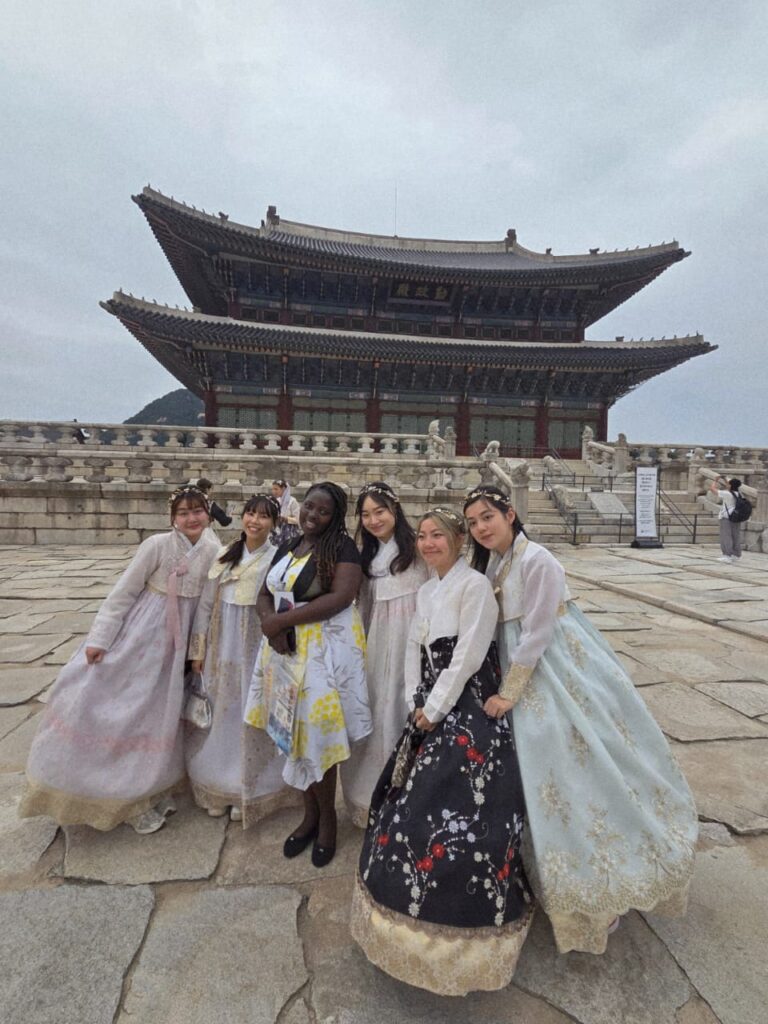
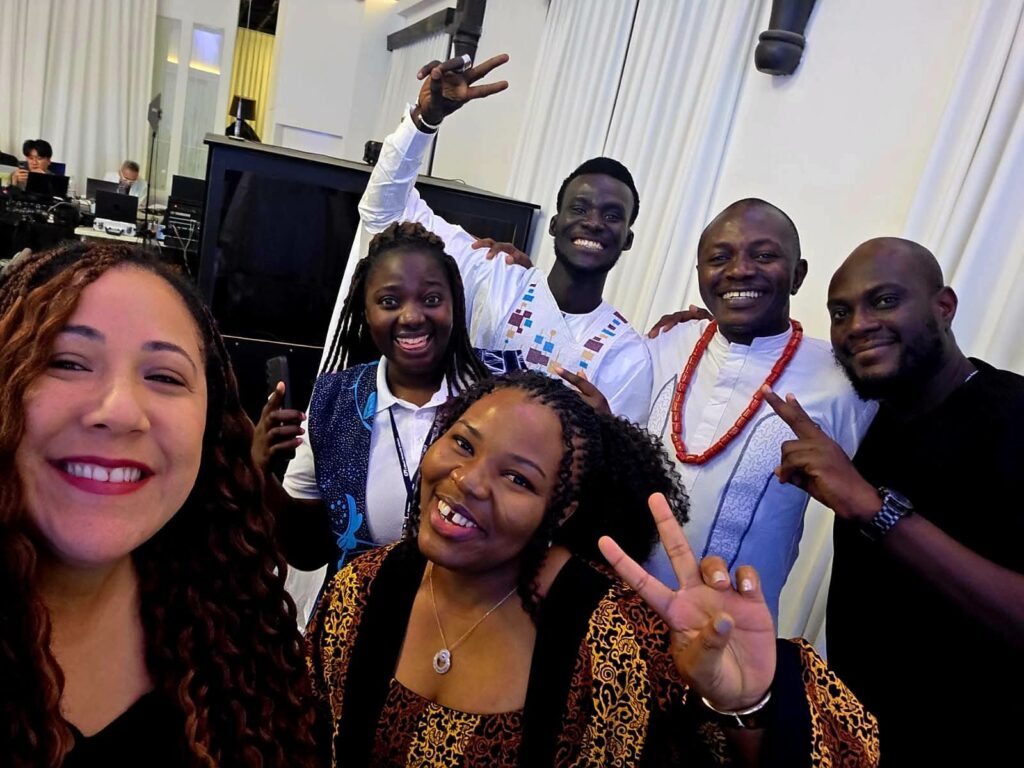
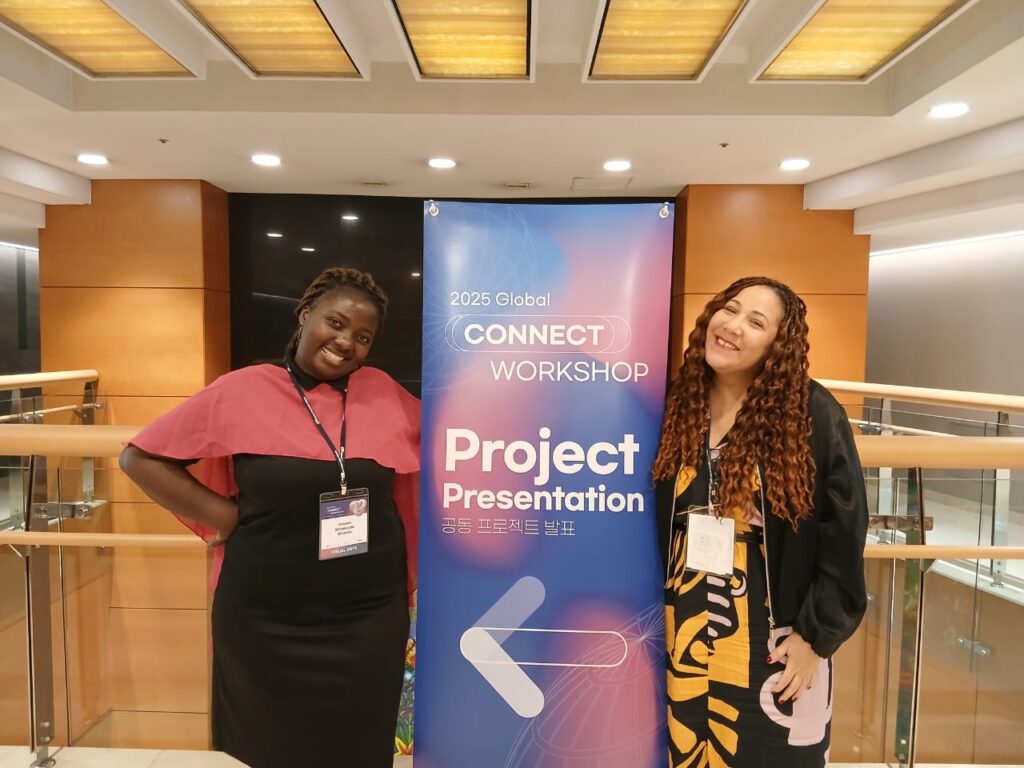
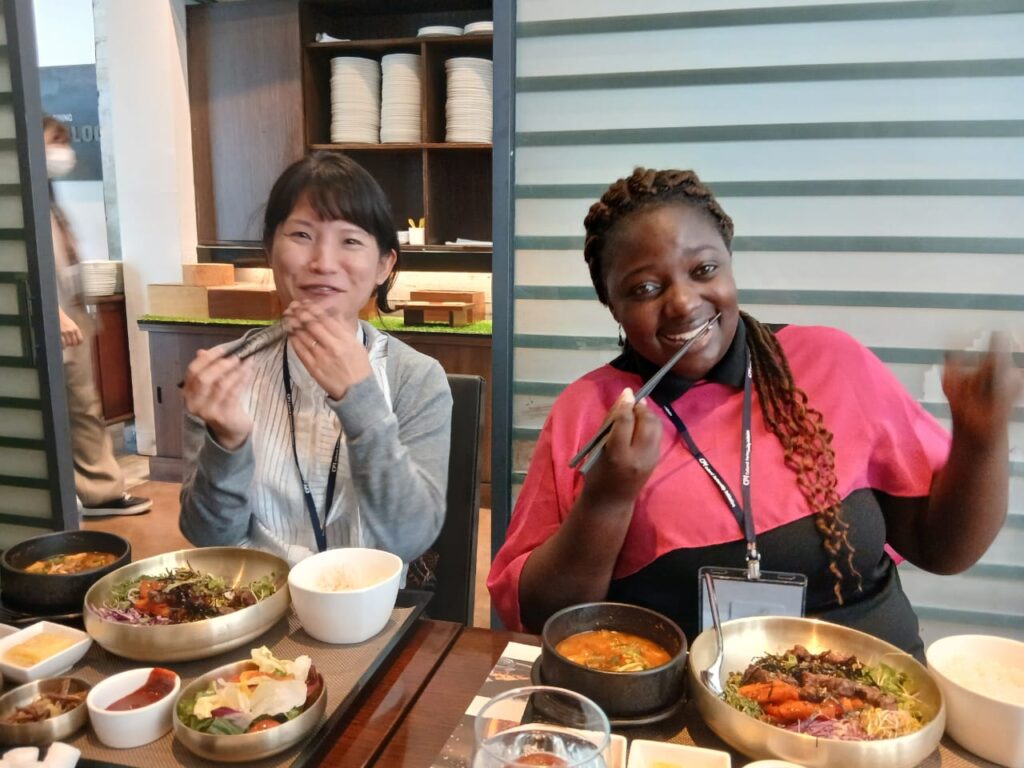
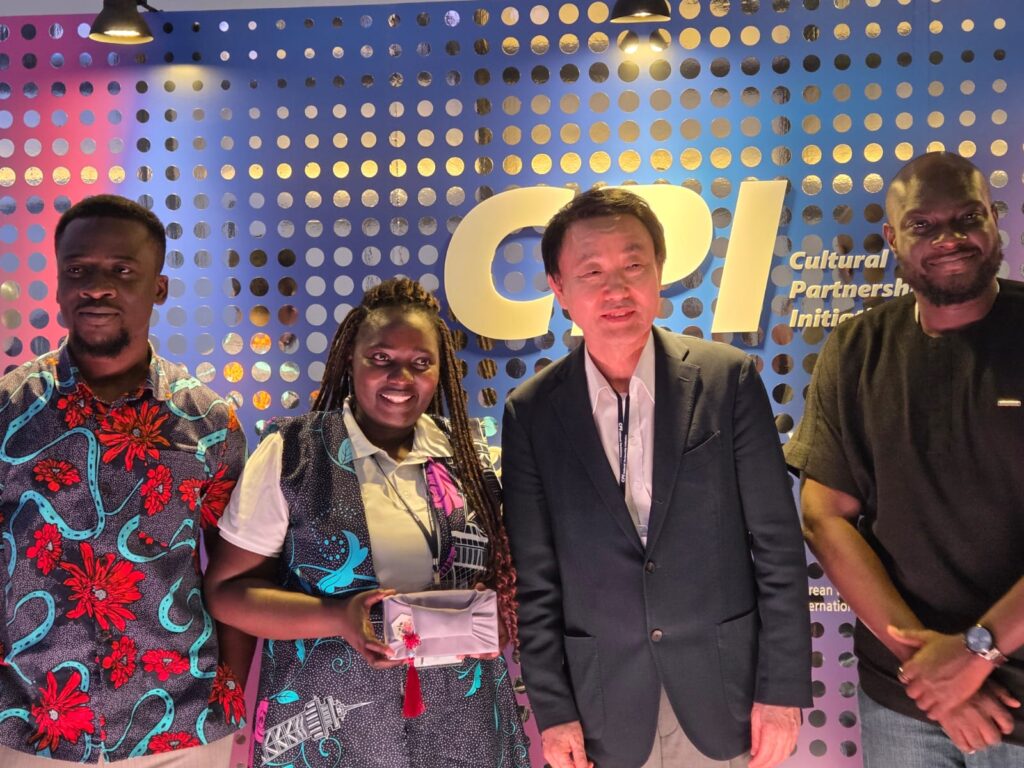
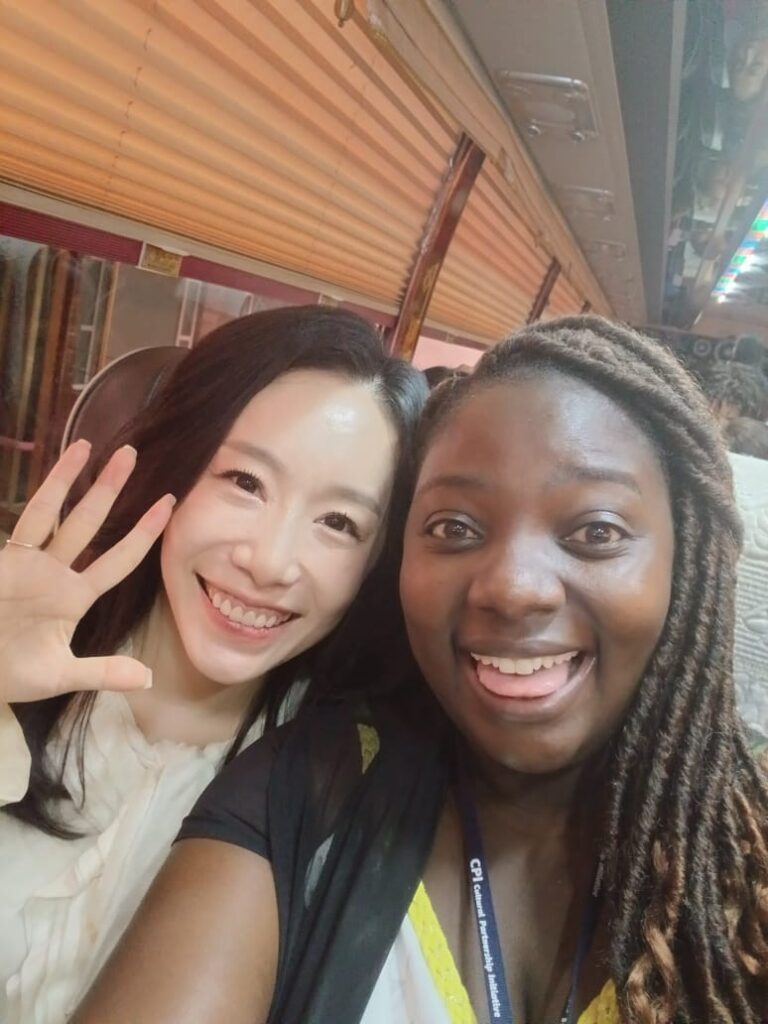
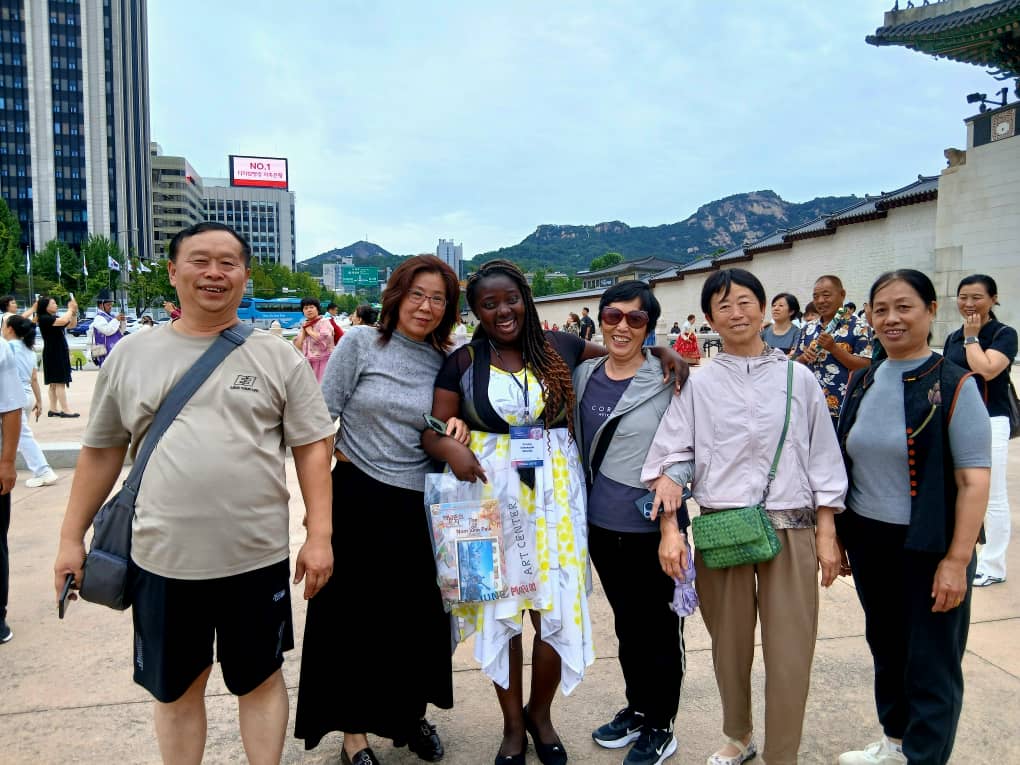

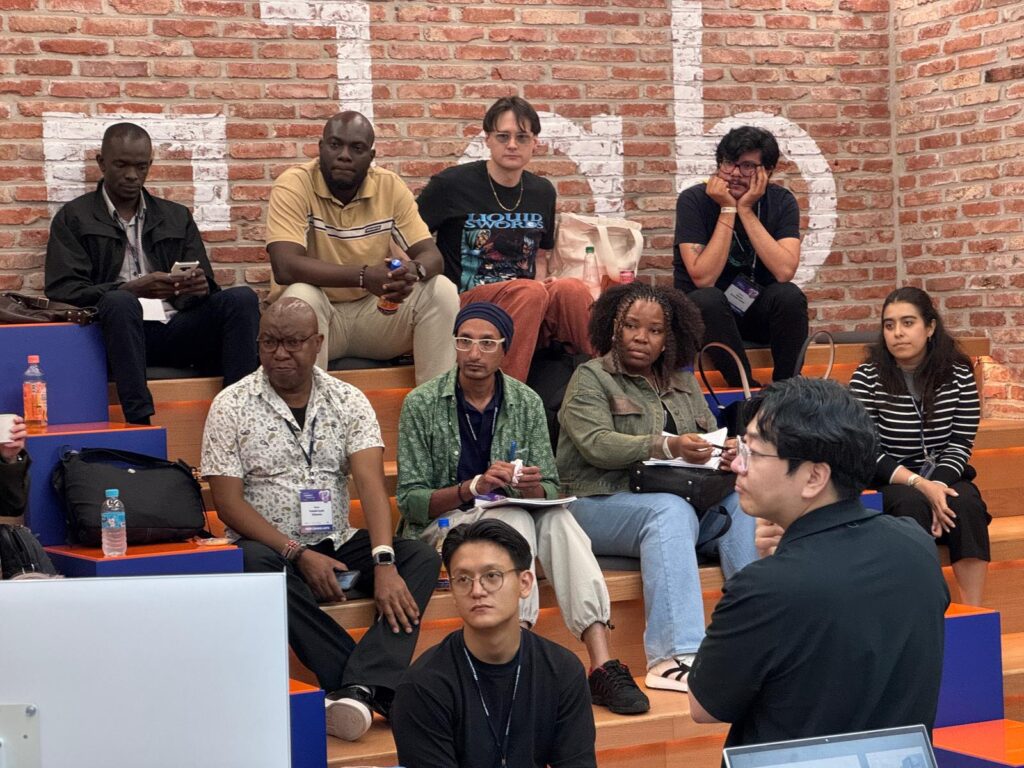
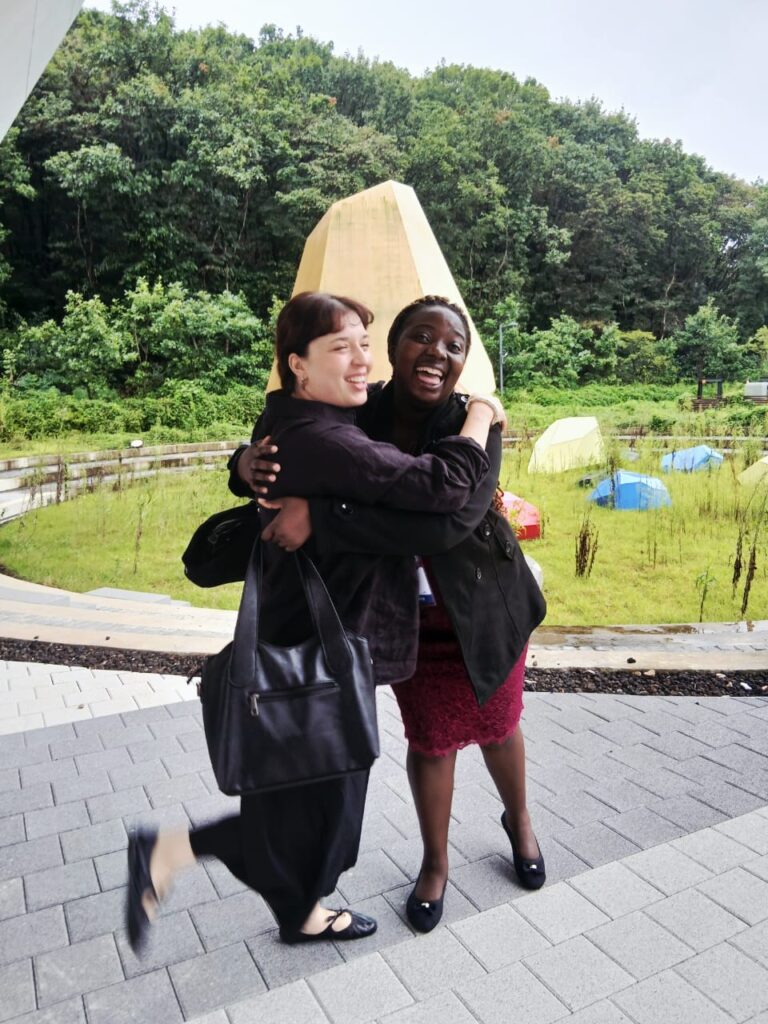


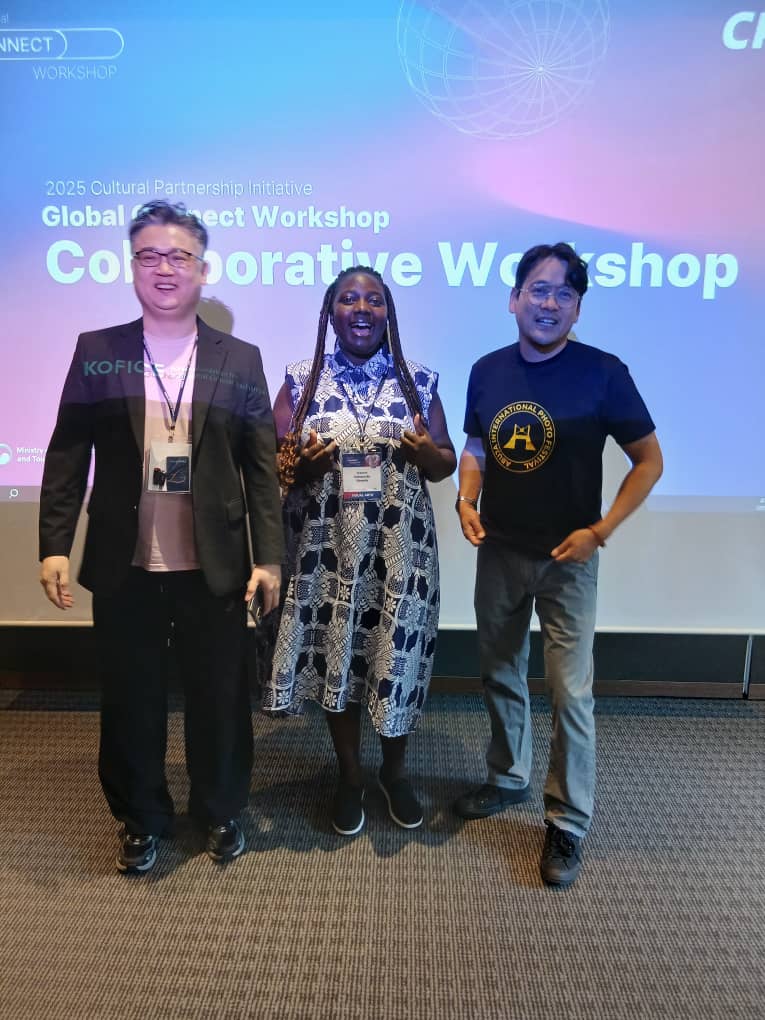
Attending the Cultural Partnership Initiative (CPI) Global Connect Workshop in Seoul, South Korea, has been one of the most transformative experiences of my career in the creative sector. Organized by the CPI Global Connect Secretariat, the Cultural Partnership Initiative Office and the Korean Foundation for International Cultural Exchange (KOFICE), the workshop brought together 40 participants from across the world, each one passionate about culture, innovation and collaboration. The program ran under the theme “Cultural Convergence Era – Technology and Digital Transformation,” and from the very first moment, it was clear that this was not just a training, but a global conversation about the future of art, culture and technology.
Our journey began with a deep orientation into the goals of the initiative, fostering cross-cultural collaboration, exploring new approaches to culture in the digital age and equipping creatives with the tools to design projects that can thrive globally. Early sessions introduced us to the principles of project design and proposal writing, challenging us to structure our ideas with clarity, vision and purpose. A standout lecture by Professor Young-hun Hur on “Proper Understanding of Planning” helped us rethink what it means to be strategic creatives, teaching us how knowledge, attitude, skills and habits shape not only our work but our ability to build impactful cultural projects.
I was particularly inspired by the collaborative spirit fostered from day one. Group work led to innovative project ideas such as reimagining Pansori, a traditional Korean performance art, in dialogue with storytelling practices from the Global South. This project envisions digital Pansori created through immersive technologies like motion capture and spatial sound, ultimately presented through international exhibitions. Such initiatives perfectly embody the essence of transcultural collaboration, honouring tradition while allowing it to evolve in new directions.
Design Thinking soon became another powerful tool in our creative arsenal. We explored its six stages, Empathize, Define, Ideate, Prototype, Test and Implement, adapting this methodology to cultural projects rather than products. It was eye-opening to realize how human-centered design can help us rethink tradition in ways that are innovative, inclusive and globally resonant.
Equally enriching were our engagements with Korean artists, curators and institutions. Through roundtable discussions and site visits, we learned about programs such as the ARKO International Exchange Business, the Seoul Foundation for Arts and Culture and the residencies offered at the National Museum of Modern and Contemporary Art. These exchanges revealed Korea’s dynamic cultural ecosystem and its openness to international collaboration. A lecture on the life and work of Nam June Paik, the pioneer of video art, reminded us of the profound ways technology can be harnessed for artistic expression and global dialogue.
The field visits were some of the most memorable experiences of the workshop. At CJ ENM Studio Center, we witnessed the scale of South Korea’s cultural exports, from Oscar-winning films to K-pop. At Hyundai Motorstudio Goyang, we explored futuristic mobility solutions that merge design, sustainability and technology. Later, visiting the media art collective Kimchi and Chips revealed how light, robotics and artificial intelligence can be combined to create poetic, immersive art. Each space we entered showed us how innovation, when fused with creativity, can shape both local and global narratives.
The learning journey extended into technology-focused sessions where we examined artificial intelligence, extended reality, K-VFX and data-driven cultural trends. Using fandom data, we developed audience personas and project strategies that could align artistic vision with real-world engagement. These exercises reminded us that the future of cultural work lies at the intersection of creativity, technology and community.
Mentorship played a pivotal role as well. Our team, working on the Pansori project, received invaluable feedback on narrative framing, symbolism and storytelling. We were urged to treat language, space and performance as living components of culture rather than static traditions. This guidance pushed us to think deeply about resonance, how traditions can ripple across borders like waves, carrying meaning and emotion while adapting to new contexts.
Another highlight was investor-readiness training, which shifted our thinking from cultural producers to cultural entrepreneurs. We learned how to design financial models, present clear revenue strategies and pitch our projects to potential investors without losing artistic depth. This exercise was a reminder that creative projects must not only inspire but also sustain themselves economically if they are to have a lasting global impact.
The project proposal presentations were a culmination of everything we had learned. From interactive heritage installations to cross-continental storytelling platforms, each group showcased how tradition can be preserved and reimagined through technology. The judges’ feedback was constructive and encouraging, reminding us that every project presented was not an endpoint but a seed with the potential to grow into something extraordinary.
The forum and closing celebrations were a fitting conclusion to this incredible journey. We reflected on two decades of CPI’s impact in building cultural bridges, celebrated outstanding proposals and experienced performances that embodied inclusivity and resilience, most memorably by BIG OCEAN, the world’s first visually impaired idol group. Their performance was a moving reminder of why we do this work, culture gives voice, creates belonging and uplifts the human spirit.
For me, the CPI Global Connect Workshop was far more than a professional development program. It was an invitation to see culture not just as heritage or practice, but as a living wave that carries stories, emotions and identities across borders. I return home inspired, connected to a global network of creatives and ready to apply these insights to projects that honour tradition while embracing innovation.
I strongly recommend CPI to all creatives across Africa and beyond. It is a rare platform where you gain not only knowledge and mentorship but also a family of cultural ambassadors working together to shape the future of global culture.


I have only just had the chance to read this precious piece of writing. It is deeply moving, and the emotions of that day are still vivid even now. I miss everyone and feel nothing but gratitude.
– Young-Hun Hur, from South Korea